


The Story of Madikwe | From Farmland to Thriving Wilderness
How Operation Phoenix transformed degraded farmland into one of South Africa’s remarkable conservation success stories
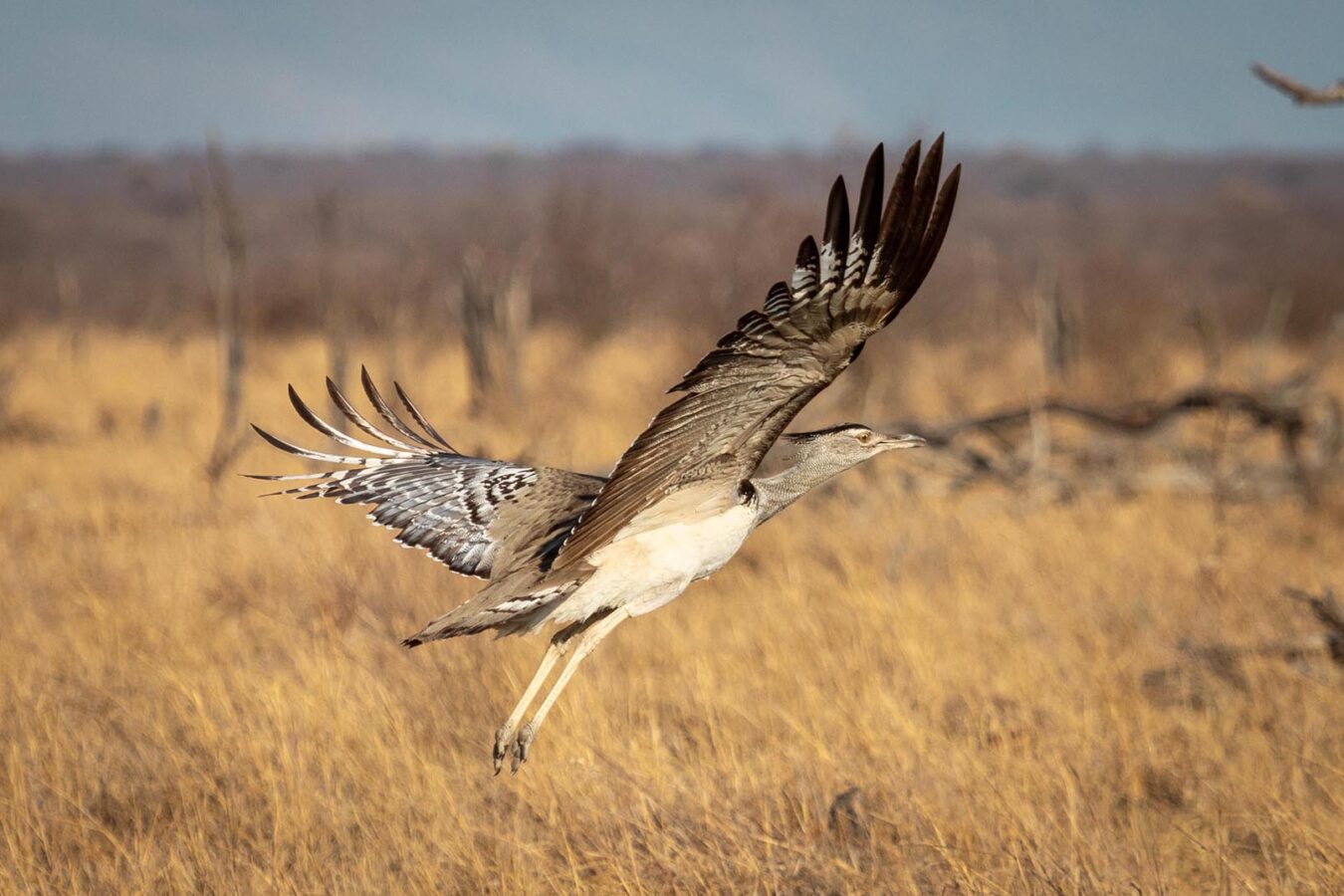
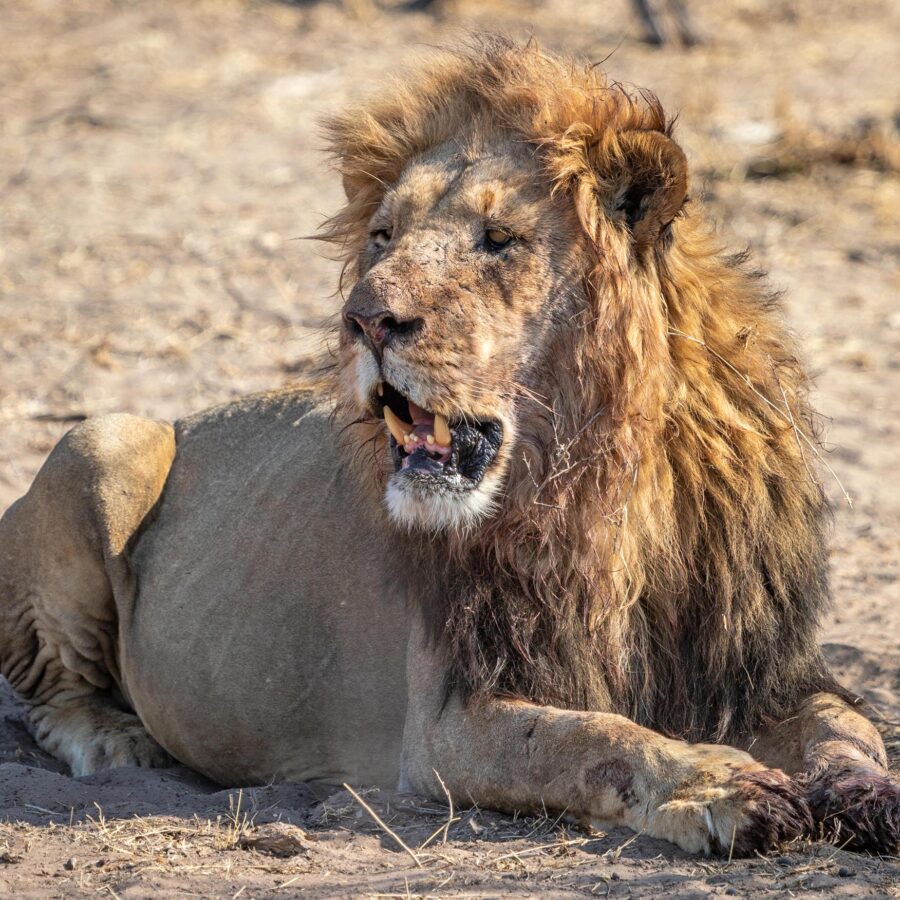
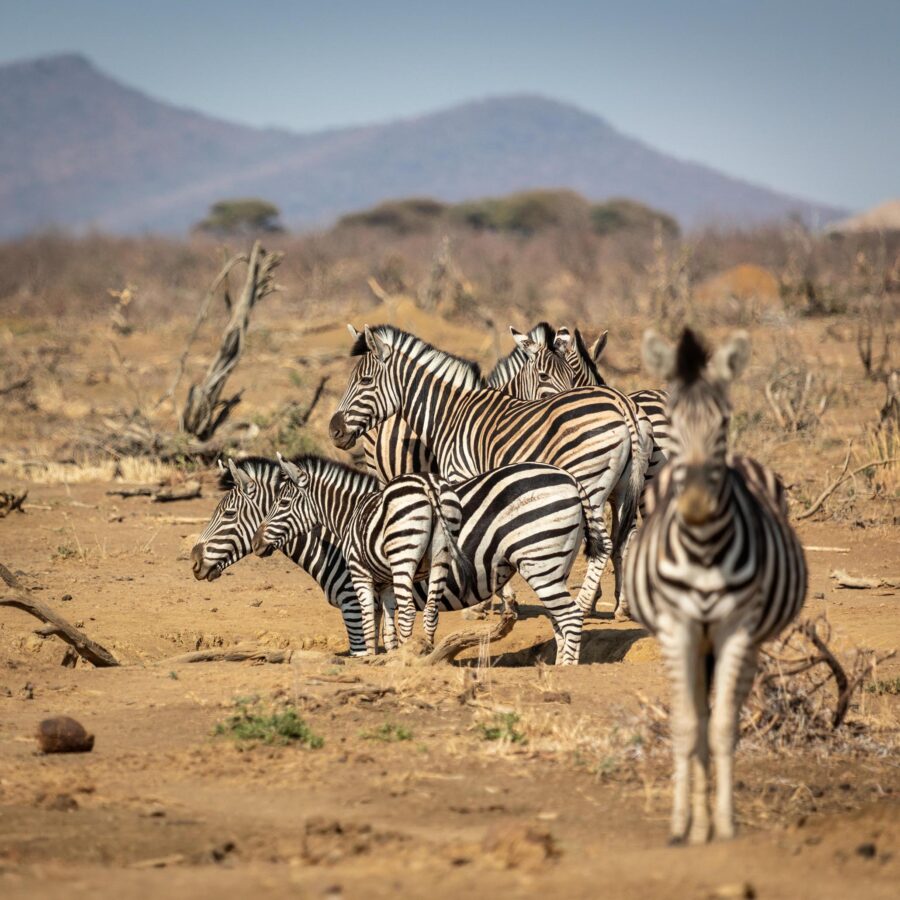
Today, it is easy to look across the open plains of Madikwe Game Reserve and see only wilderness. Elephants move through the bush, lions patrol their territories, wild dogs traverse the grasslands and more than 400 species of birds fill the landscape with life.
But Madikwe was not always like this.
Before it became a wildlife reserve, much of the land was made up of degraded cattle farms. The transformation that followed is one of the most remarkable chapters in South African conservation, and at the heart of it was an ambitious wildlife reintroduction project known as Operation Phoenix.
For guests staying at Tuningi Safari Lodge, understanding this history adds another layer to the experience of being in Madikwe. The landscape is not simply a beautiful setting for a safari. It is part of an ongoing conservation story.
From Cattle Farms to Conservation
Madikwe Game Reserve is situated in South Africa’s North West Province, around 90 kilometres north of Zeerust and close to the Botswana border.
Its location gives the reserve a distinctive character. Madikwe lies within a transition zone between the Kalahari and the traditional South African bushveld, creating a landscape of open grasslands, rocky outcrops and bushveld that supports a remarkable variety of wildlife.
But by the early 1990s, much of the land had been heavily affected by years of farming.
A study commissioned by Settlement Planning Services examined how the land could best be used in the future. Its conclusion was that converting the area into a wildlife reserve centred around wildlife-based tourism could provide greater benefits for local communities while creating a sustainable form of land use.
In 1991, Madikwe Game Reserve was proclaimed.
The next challenge was considerably more ambitious: how do you create a functioning wildlife ecosystem on land that had previously been used primarily for cattle farming?
Operation Phoenix
In 1992, the answer began to take shape.
Named Operation Phoenix, the wildlife reintroduction programme became one of the largest animal translocation projects of its kind. More than 8,000 animals were relocated into the newly established, fenced reserve.
The scale of the undertaking was extraordinary.
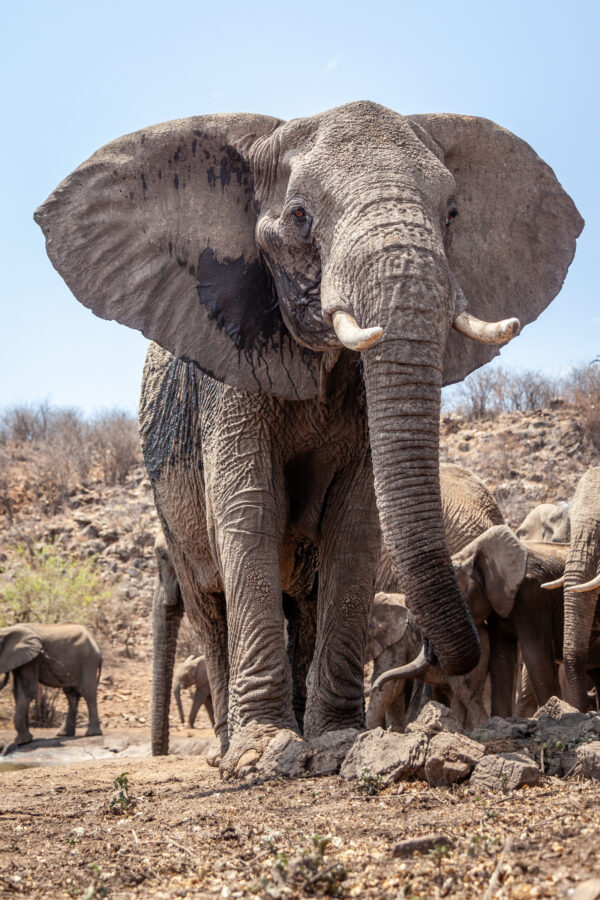
Elephant, Cape buffalo and both black and white rhino were among the species introduced to Madikwe. The operation also marked the first time that entire elephant families had been relocated and the first introduction of African wild dogs to a fenced reserve.
The name Operation Phoenix was particularly fitting. Wildlife populations that had disappeared from the area were, quite literally, being given a new beginning.
This was not simply about moving individual animals from one location to another. It was about rebuilding a functioning ecosystem.
Rebuilding a Living Ecosystem
The reintroduction of wildlife did not end with Operation Phoenix.
In the years that followed, species including lions, cheetahs and African wild dogs were successfully reintroduced, further strengthening the diversity of the reserve.
Today, Madikwe is home to the Big Five, as well as cheetah and the endangered African wild dog. The reserve also supports an extraordinary range of other wildlife, with 86 recorded mammal species, more than 420 bird species and 105 species of trees.
This diversity is part of what makes a Madikwe safari so rewarding. A game drive is not simply about finding one particular animal. It is about seeing how the different parts of the ecosystem interact.
A herd of elephant moving towards water. A leopard resting in a tree. Wild dogs travelling together across the plains. A flock of birds reacting to something unseen in the grass.
Every sighting is part of a much larger story.
Conservation and Community
One of the defining features of Madikwe’s creation was the emphasis on connecting wildlife conservation with the interests of local communities.
The reserve is managed through a partnership involving the North West Parks and Tourism Board, the private sector and local communities. This collaborative approach was intended to demonstrate that wildlife conservation and local economic benefit can work alongside one another.
That principle remains important today.
For conservation areas to endure, they need the support of the people and communities connected to them. Madikwe’s history demonstrates how tourism can form part of that relationship, creating an economic reason to protect the land and the wildlife it supports.
For visitors, this means that a safari can be more than an opportunity to observe wildlife. It can also provide an opportunity to understand the work and partnerships that make the wilderness possible.
Madikwe Today
More than three decades after its proclamation, Madikwe Game Reserve covers approximately 75,000 hectares and has become an important wildlife sanctuary in South Africa.
Its relatively remote setting near the Botswana border gives it a strong sense of space, while its proximity to Johannesburg makes it accessible for travellers incorporating a safari into a wider South African itinerary. The reserve is approximately a four-and-a-half-hour drive from Johannesburg, with fly-in options also available.
At Tuningi Safari Lodge, guests experience this landscape through twice-daily game drives led by knowledgeable guides, as well as from the lodge itself. The active waterhole, boma deck and underground hide offer opportunities to observe wildlife between drives, bringing the reserve’s ongoing story even closer.
And perhaps that is one of the most meaningful things about safari in Madikwe.
When you watch an elephant herd crossing the plains or sit quietly as wild dogs move through the bush, you are looking at a landscape that has been carefully restored, protected and given the opportunity to thrive again.
A Wilderness With a Story to Tell
Madikwe’s transformation from degraded farmland into a thriving wildlife reserve is a reminder that conservation is not always about protecting something untouched.
Sometimes, it is about giving a landscape a second chance.
Operation Phoenix helped create the foundations for the Madikwe we know today. The animals returned, ecosystems began to recover and wildlife-based tourism created a new relationship between the land, conservation and surrounding communities.
Today, the best way to understand that story is perhaps to experience the landscape itself: to spend time in the bush, listen to the sounds around you and watch the wildlife that now calls Madikwe home.
If you’d like to discover the story of Madikwe for yourself, get in touch with the Tuningi reservations team at book@tuningi.co.za to start planning your stay.
FAQs
What is the short history of Madikwe Game Reserve?
Madikwe Game Reserve was proclaimed in 1991 on land that had previously consisted largely of degraded cattle farms. The reserve was established following a study that identified wildlife-based tourism as a sustainable land-use option that could also benefit local communities.
What was Operation Phoenix in Madikwe?
Operation Phoenix was a major wildlife translocation project that began in 1992 to reintroduce animals into the newly established Madikwe Game Reserve. More than 8,000 animals were relocated, including elephant, Cape buffalo and black and white rhino.
Why is Madikwe Game Reserve important for conservation?
Madikwe is considered an important conservation success story because it transformed previously degraded farmland into a large protected wildlife area while linking conservation with wildlife-based tourism and community interests.
What animals were reintroduced to Madikwe?
The wildlife reintroduction programme included elephant, Cape buffalo, black and white rhino and other species. Lions, cheetahs and African wild dogs were also subsequently reintroduced to the reserve.
Is Madikwe Game Reserve home to the Big Five?
Yes. Madikwe is home to elephant, buffalo, lion, leopard and both black and white rhino. The reserve is also known for species including cheetah and endangered African wild dog.
How big is Madikwe Game Reserve?
Madikwe Game Reserve covers approximately 75,000 hectares, making it one of South Africa’s largest wildlife reserves.
How far is Madikwe Game Reserve from Johannesburg?
Tuningi Safari Lodge can be reached by road from Johannesburg in approximately four and a half hours. Fly-in options are also available, with the lodge located close to the Madikwe airstrip.