


Best Time for Big Cat Sightings in Madikwe
Cooler temperatures, thinner bush and expert guiding make winter one of the most exciting times to experience a safari in Madikwe Game Reserve.
When planning a safari, many travellers ask the same question: when is the best time to see lions and leopards?
The truth is that wildlife sightings can never be guaranteed. Every safari is shaped by the movements of wild animals, changing weather and the seasonality of the bush. Yet there are certain times of year when conditions naturally improve the chances of seeing predators and winter in Madikwe Game Reserve is one of them.
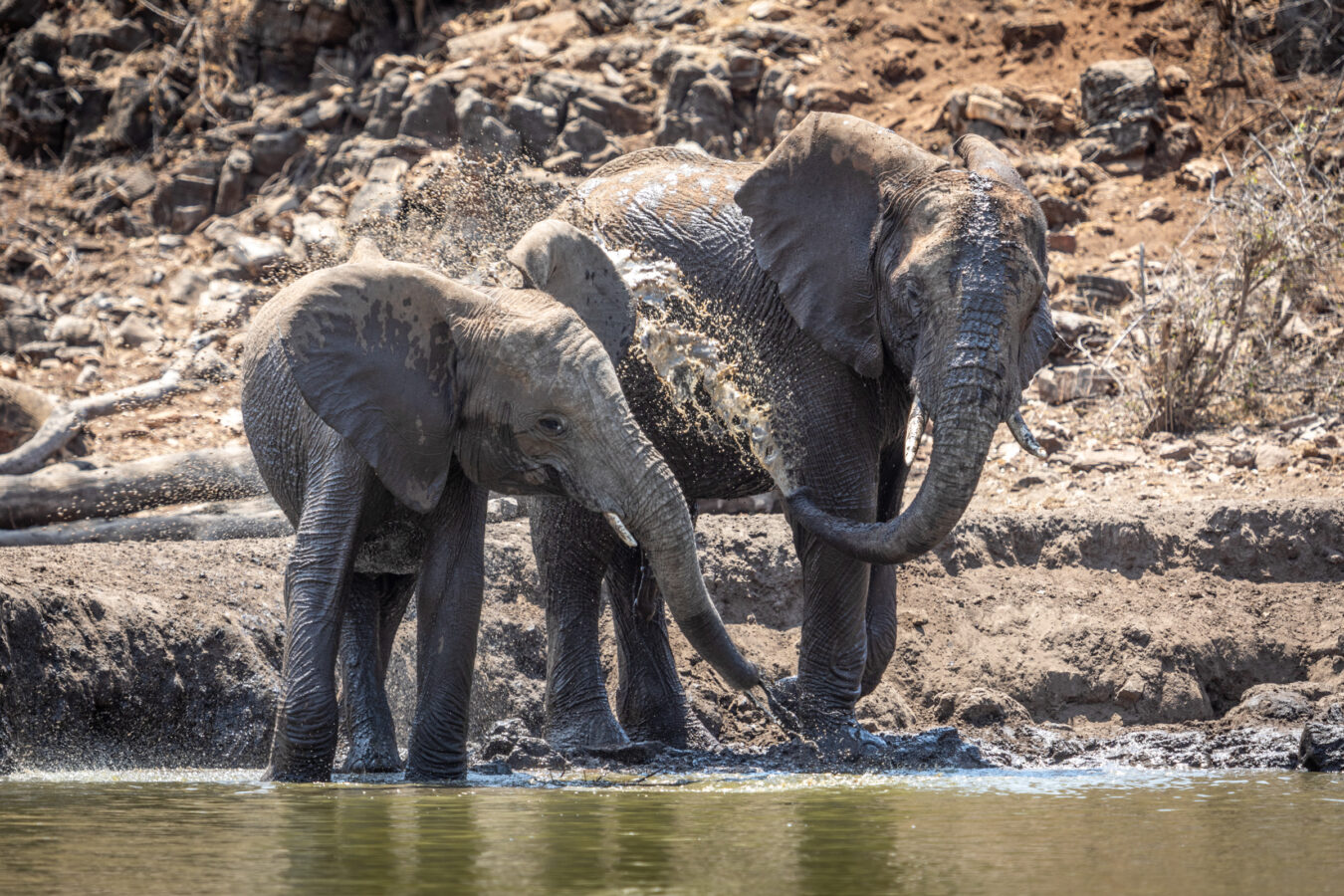
From June to August, the landscape transforms. Trees lose many of their leaves, grasses become shorter and seasonal water sources begin to dry up. Wildlife concentrates around permanent waterholes, creating excellent opportunities to observe not only the Big Five but also the fascinating interactions between predator and prey.
At Tuningi Safari Lodge, winter is a season that rewards patience, expert guiding and time spent immersed in nature.
Why Winter Makes Wildlife Easier to Spot
Madikwe’s winter months are cool, dry and wonderfully clear. Daytime temperatures are comfortable, while early mornings and evenings are crisp – perfect conditions for spending time on safari.
With less rainfall, the bush becomes more open, making it easier for both guides and guests to spot wildlife moving through the landscape. Animals are no longer concealed behind dense summer vegetation and visibility across the reserve improves dramatically.
At the same time, many smaller waterholes begin to dry up, encouraging animals to gather around more reliable water sources. These natural meeting places create exciting opportunities to witness the ever-changing stories unfolding across the bush.
Following the Predators
Big cats are always on the move.
Lions patrol their territories, leopards navigate dense thickets and rocky outcrops, and cheetahs search the open plains for hunting opportunities. Their movements are influenced by the presence of prey, water availability and the behaviour of neighbouring predators.
Winter often brings these elements together.
As herbivores gather more predictably around water, predators naturally follow. Rather than covering vast distances across lush vegetation, guides are able to interpret tracks, fresh spoor and animal behaviour to build a picture of where predators may be moving.
Every game drive becomes an unfolding story; a series of clues to decipher.
The Skill Behind Every Sighting
Exceptional wildlife viewing is never just about luck.
At Tuningi Safari Lodge, experienced rangers spend each drive reading subtle clues in the landscape. Fresh tracks crossing the road, alarm calls from birds or antelope, disturbed vegetation and even dung can all reveal valuable information about recent animal movements.
This expertise is what makes every safari so rewarding.
Rather than rushing between sightings, your guide will help you to understand why animals are where they are and how the ecosystem connects. Whether you encounter a pride of lions resting after an early morning hunt or a leopard moving silently through the bush, the experience is enriched by the stories behind the sighting.
More Than Just Big Cats
While lions and leopards are often at the top of every guest’s wish list, winter offers exceptional viewing across the reserve.
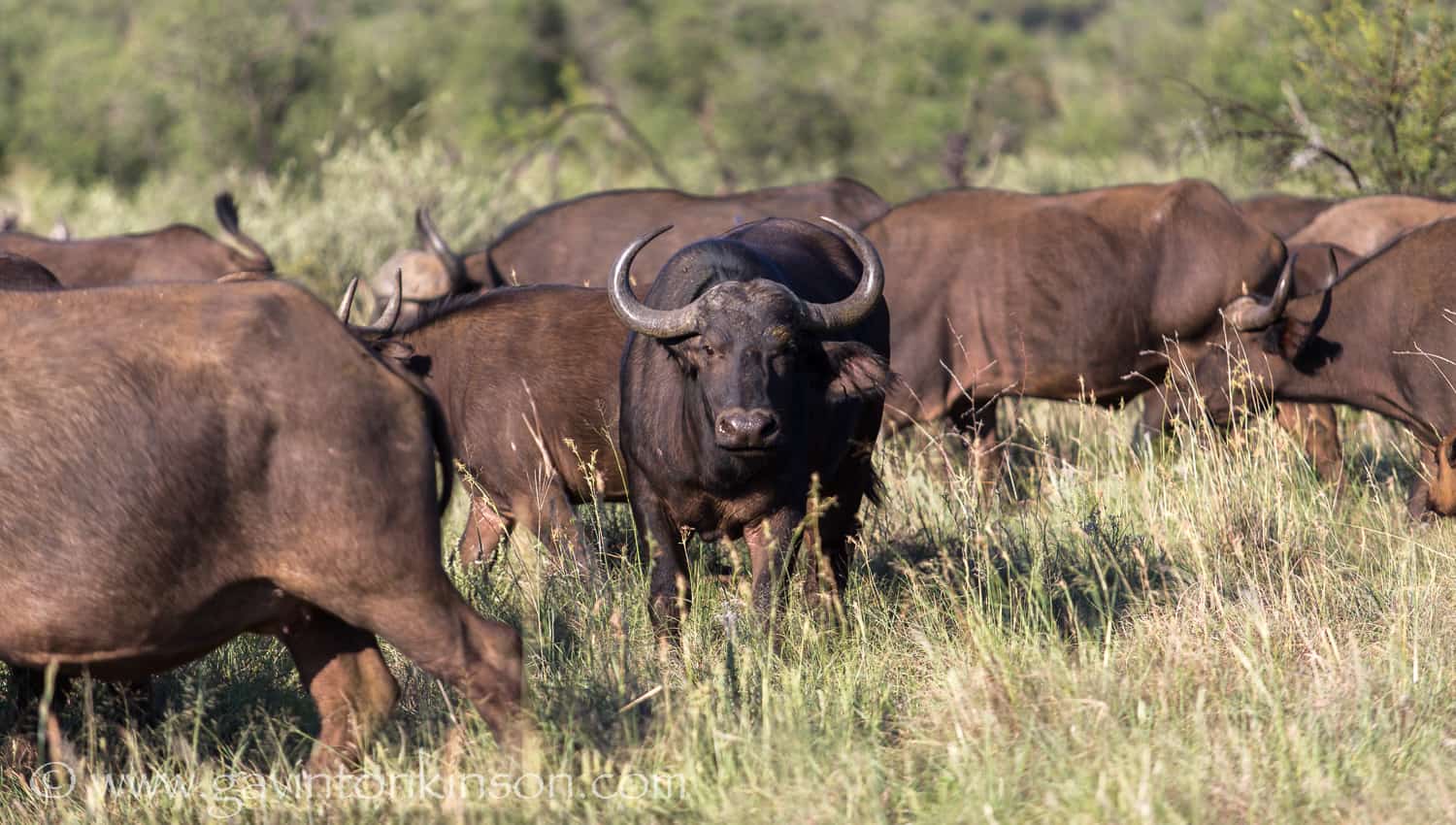
Madikwe Game Reserve is home to the Big Five, endangered African wild dogs, cheetah, more than 420 bird species and an extraordinary diversity of mammals. As vegetation becomes sparser, many species become easier to observe, from elephant herds to giraffe browsing in the winter sun.
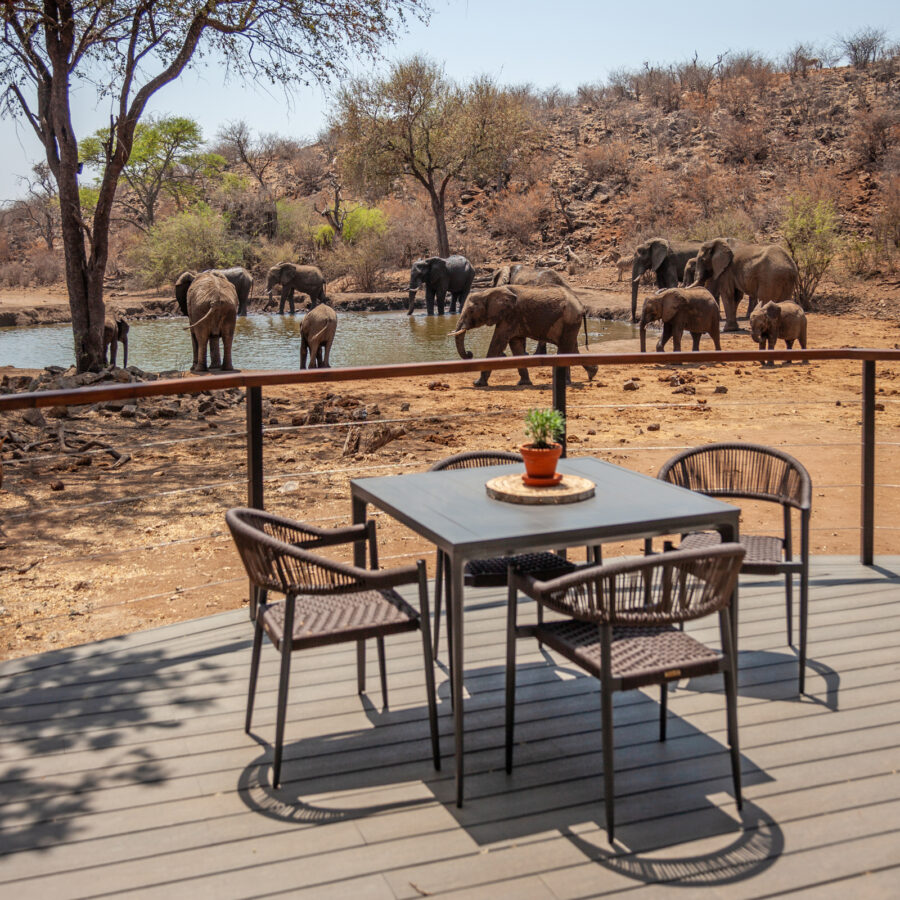
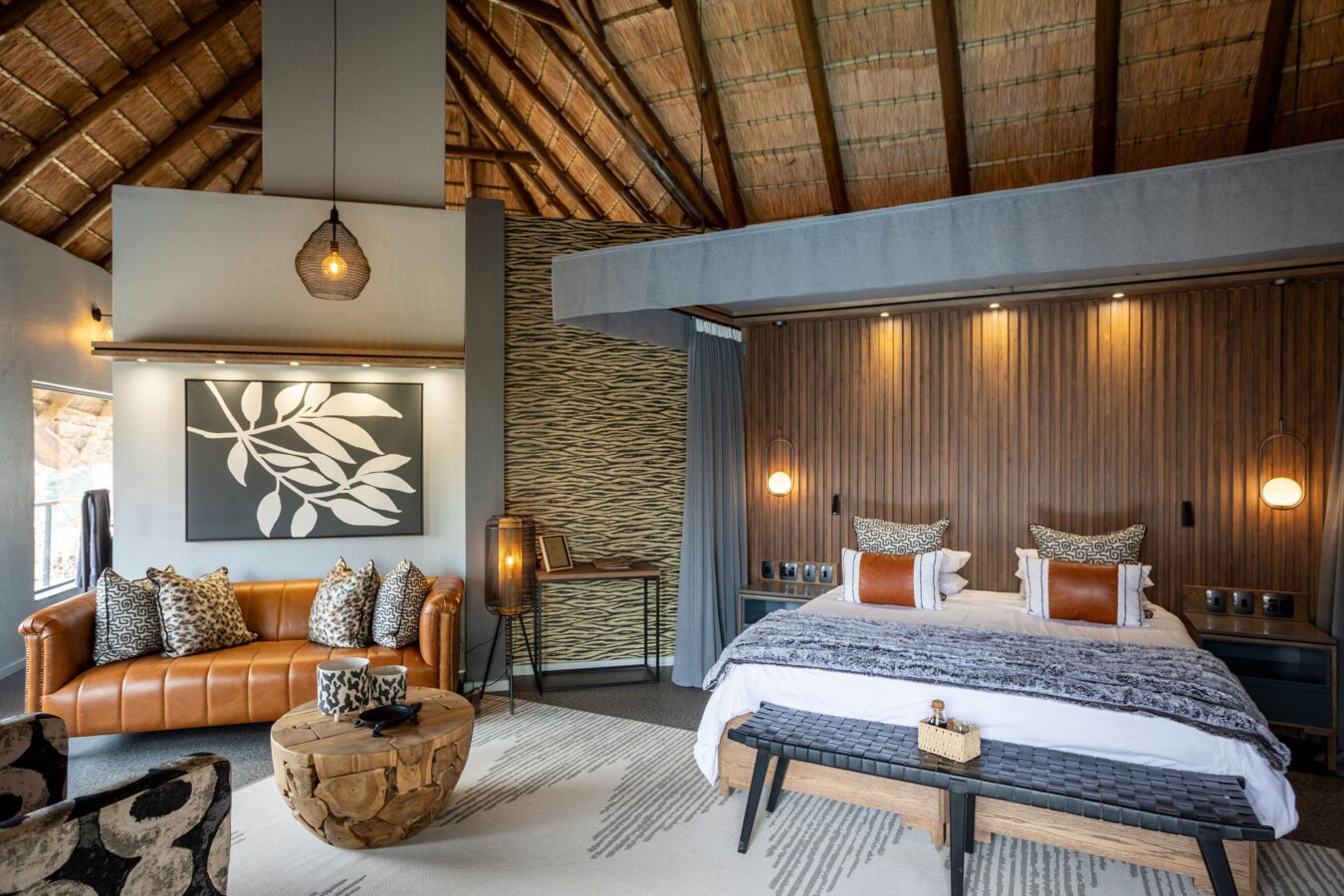
Back at Tuningi Safari Lodge, the wildlife experience continues. The lodge overlooks an active waterhole where guests may observe animals from the boma deck or the underground hide, offering remarkable opportunities to appreciate wildlife between game drives.
Experience a Winter Safari in Madikwe
Every season has something special to offer, but winter remains a favourite among photographers, first-time safari travellers and returning guests alike.
Comfortable temperatures, exceptional visibility and the natural concentration of wildlife combine to create unforgettable safari experiences. If you’re dreaming of seeing Madikwe at one of its most rewarding times of year, we’d love to welcome you to Tuningi Safari Lodge.
To start planning your winter safari, contact our reservations team at book@tuningi.co.za.
FAQs
Why is winter the best time to see big cats in Madikwe?
Winter brings dry conditions and thinner vegetation, making wildlife easier to spot. As animals gather around permanent water sources, predators such as lions and leopards often become easier to locate.
Can you see leopards in Madikwe Game Reserve?
Yes. Madikwe is home to a healthy leopard population. While sightings can never be guaranteed, experienced guides use tracks, animal behaviour and local knowledge to maximise the chances of finding them.
What months are winter in Madikwe Game Reserve?
Winter runs from June to August. These months are typically dry, with cool mornings, mild daytime temperatures and excellent game viewing conditions.
Are lions easier to spot during winter?
Many guests find that lions are easier to see during winter because vegetation is less dense and prey animals gather around waterholes, creating favourable hunting areas.
Is winter a good time for a safari in South Africa?
Yes. Winter is widely regarded as one of the best safari seasons in many South African reserves thanks to cooler temperatures, excellent visibility and rewarding wildlife viewing.