


How Many Nights Do You Really Need on Safari?
For many travellers planning a safari in South Africa, one question comes up again and again: how long should you stay?
At first glance, two or three nights might seem sufficient. Yet safari is not a single experience but a rhythm that unfolds slowly over several days. Time allows the landscape to reveal itself, from early morning light over the bushveld to a shared nightcap around the fire at the end of the day.
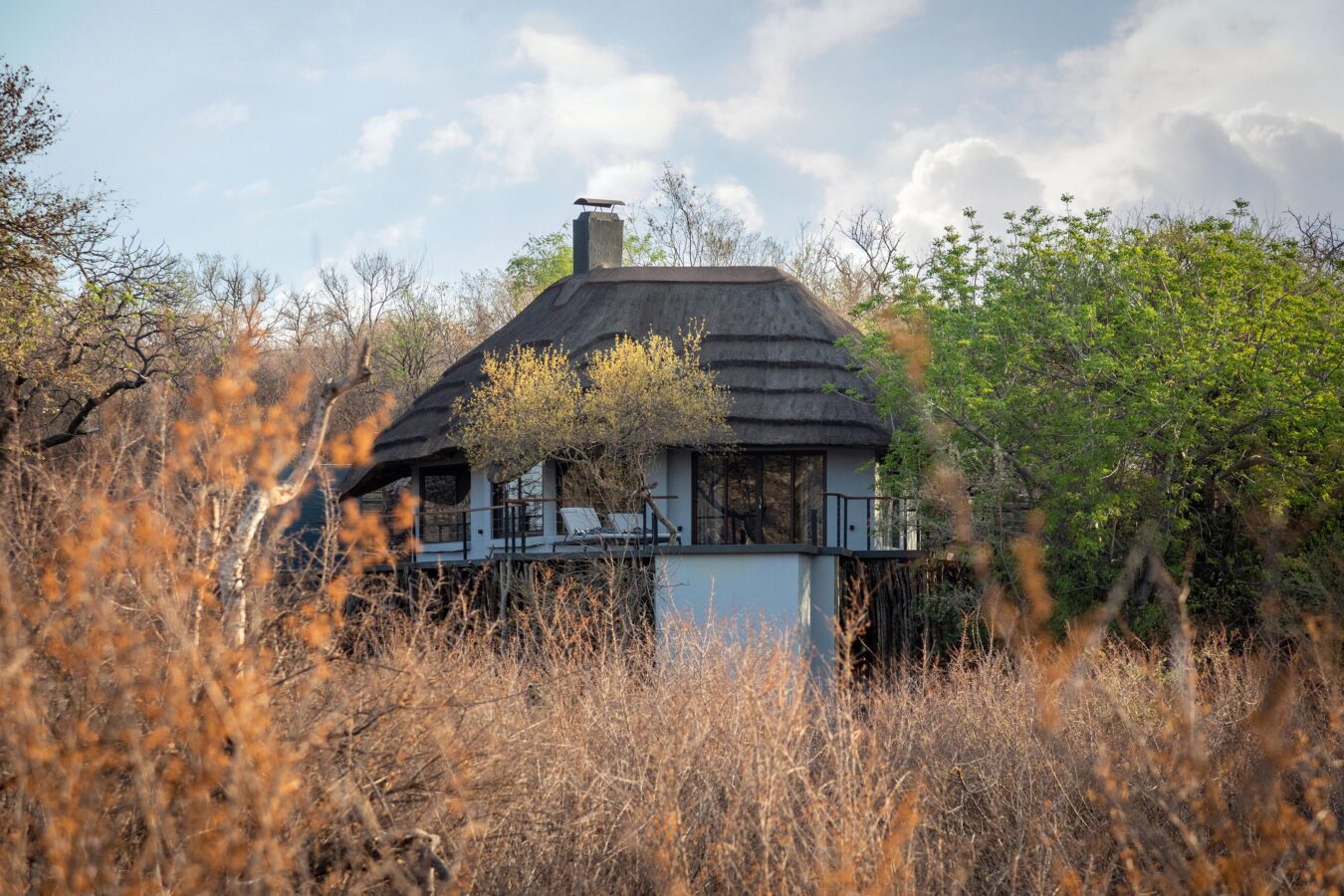
At Tuningi Safari Lodge, located in Madikwe Game Reserve in South Africa’s North West Province, guests quickly discover that the true magic of safari lies not in rushing from one sighting to the next, but in allowing the experience to deepen naturally.
Why the Length of Your Safari Matters
Unlike a city break or beach holiday, safaris operate on the schedule of the natural world.
Wildlife movement is influenced by seasons, weather, water availability and the behaviour of other animals. Some days bring remarkable sightings. Others are quieter but equally fascinating, offering insight into the smaller details of the bush.
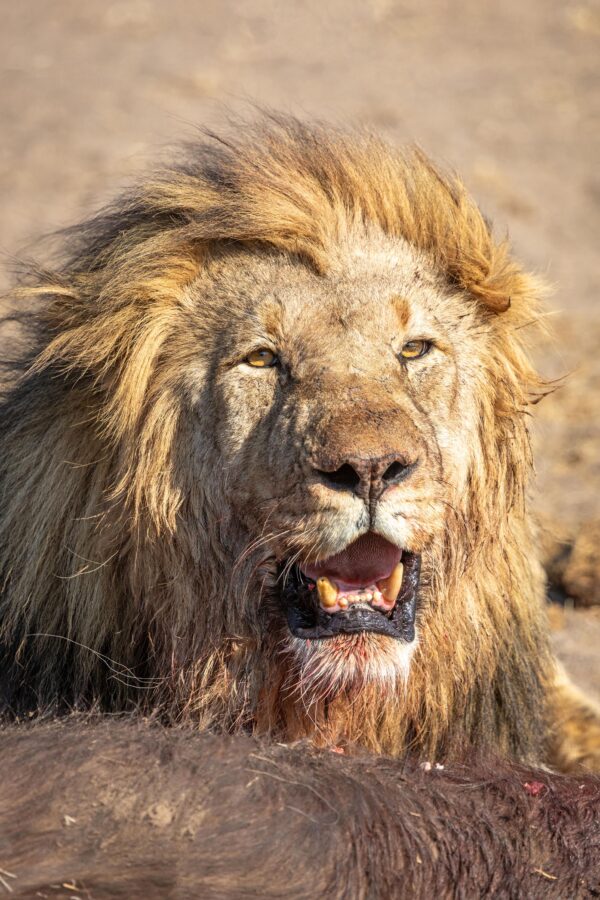
Staying longer allows for this unpredictability. It also allows guides to follow developing stories across several drives, whether tracking a pride of lions, observing elephant herds moving between water sources, or returning to a location where interesting behaviour was seen earlier.
Understanding the Schedule of a Safari Day
A day on safari follows the natural rhythm of the bush. Wildlife is most active during the cooler hours of early morning and late afternoon, which is when game drives take place. The hours in between allow time to relax at the lodge and enjoy the surrounding landscape.
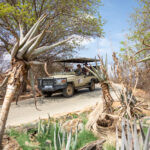
The day begins early with a gentle wake-up call from your guide at around 05h00. After a quick coffee, guests depart for the morning game drive at 05h30 in summer and 06h00 in winter. As the sun rises over Madikwe Game Reserve, the bush begins to stir. Predators may still be moving after the night, while plains game venture out to graze in the cool morning air.
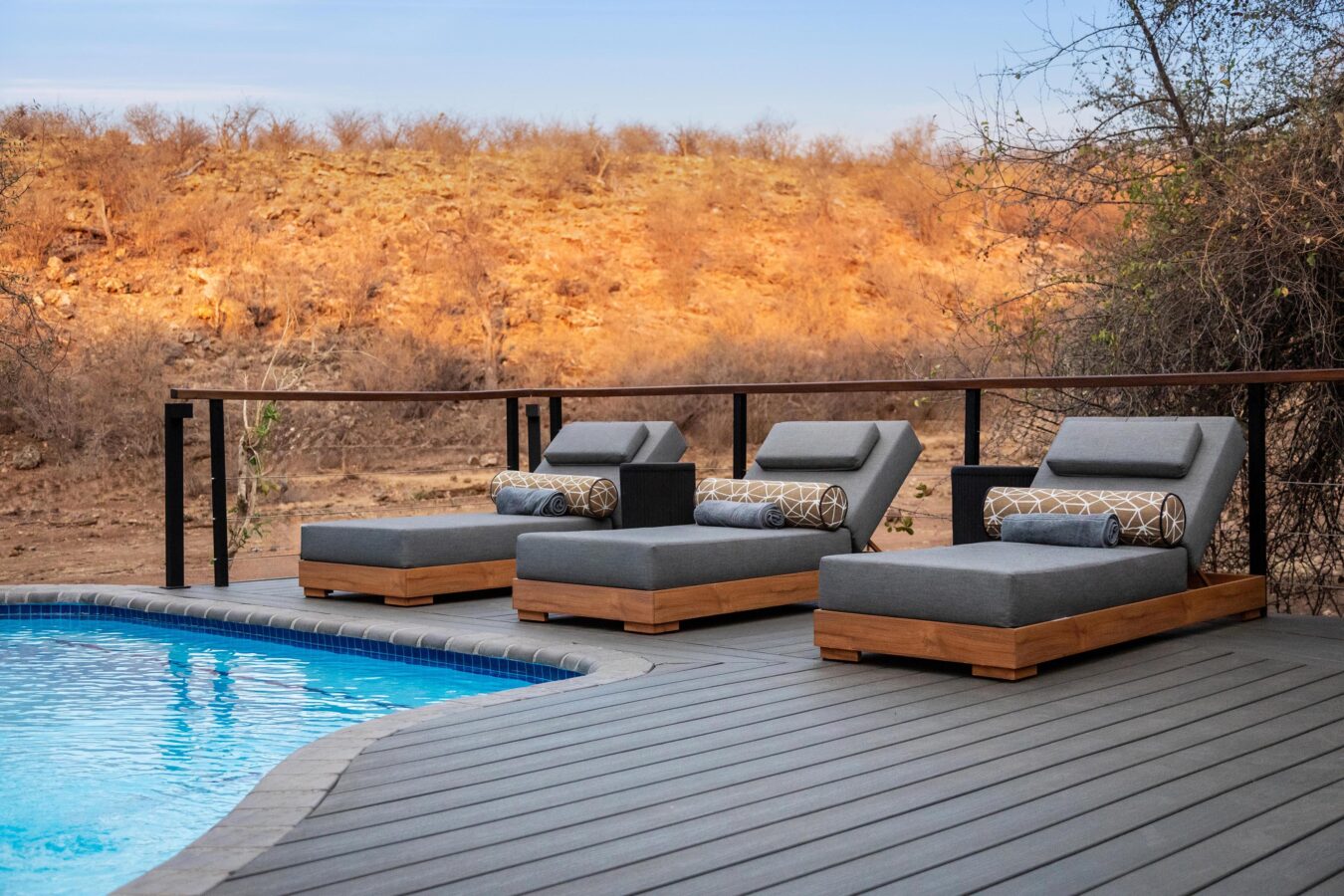
Returning to the lodge between 09h00 and 09h30, guests are welcomed back with a leisurely brunch. The late morning invites a slower pace. Some guests choose to relax beside the pool or enjoy the view from the deck overlooking the valley, while others spend time at the underground hide watching wildlife visit the nearby waterhole.
Lunch is served around 14h00, often beneath the shade of the large fig tree near the main lodge. From this vantage point it is not unusual to see animals moving quietly through the surrounding bushveld.
As the afternoon cools, preparations begin for the second game drive of the day, departing at 15h30 in winter and 16h00 in summer. Each drive explores a different part of the reserve, guided by fresh tracks and subtle clues in the landscape. As daylight fades, guides may use spotlights to look for nocturnal species beginning to emerge.
Guests return to the lodge around 19h00, with time to freshen up before drinks are served. Dinner follows shortly afterwards. When the weather allows, lanterns are lit and guests gather in the boma, where a fire glows softly and stories from the day’s sightings are shared beneath the stars.
This daily rhythm is part of what makes a safari so memorable. With multiple drives over several days, each outing reveals something new about the landscape and the wildlife that moves through it.
Wildlife Sightings Are Never Guaranteed
One of the most important things to understand about being in the bushveld in Madikwe, is that sightings are never staged.
Animals move freely across vast landscapes. Their behaviour changes from day to day, influenced by weather patterns, food availability and the presence of other species.
For example, elephant herds in Madikwe often travel between water sources during warmer months. Their movements may take them through open grassland one day and into denser woodland the next.
The unpredictability of wildlife is part of what makes safari so compelling. A longer stay simply increases the chances of encountering these moments of difference animals.
What You Experience Over Multiple Days
With each additional day, guests begin to notice more.
Bird calls become familiar. Tracks in the sand tell small stories about animals that passed during the night. Guides share insights into the behaviour and relationships between species.
Many travellers find that the first day introduces them to the landscape. By the second or third day, they start to read it.
By the fourth day, the experience often feels less like a visit and more like a connection to the reserve.
Why Many Travellers Choose Four Nights
While every itinerary is different, many experienced safari travellers recommend staying at least four nights, which gives you three full days on safari.
This allows for multiple game drives in varying conditions, time to relax at the lodge between outings, and the chance to return to areas where interesting wildlife activity has been observed.
It also allows guests to settle into the slower pace of safari life. Rather than rushing between activities, there is space to enjoy quiet moments at the lodge, watching the bush unfold beyond the deck.
Planning Your Safari in Madikwe Game Reserve
Madikwe Game Reserve is one of South Africa’s most distinctive safari destinations. Located close to the Botswana border and within reach of Johannesburg, the reserve offers a sense of space and privacy that is increasingly rare. With no self-drive visitors and carefully managed lodge numbers, the experience remains intimate and unhurried.
Whether you are visiting for the first time or returning for another safari, allowing enough time in the reserve makes all the difference.
After all, safari is not about ticking species off a list. It is about being present in a landscape that reveals itself gradually.
Start planning your safari at Tuningi Safari Lodge and experience Madikwe for yourself.
Enquiries: book@tuningi.co.za
FAQs
How many nights should you stay on safari in South Africa?
Most safari specialists recommend staying at least four nights. This allows time to settle into the rhythm of the bush and experience multiple game drives in different conditions. Wildlife sightings unfold naturally and can vary from day to day, so a longer stay increases the opportunity to observe a range of species and behaviours. It also allows time to relax at the lodge between drives and fully appreciate the surrounding landscape.
Is three nights enough for a safari?
A three-night safari provides a good introduction, usually including six game drives across two full days. Many guests see a variety of wildlife during this time. However, safari experiences are shaped by the natural movement of animals, which cannot be predicted. Staying longer often allows guides to follow developing wildlife activity and gives guests a deeper sense of connection to the reserve.
Why do safari lodges recommend four nights?
Many lodges recommend four nights or more because it creates a more relaxed and immersive experience. Guests have time to explore different areas of the reserve, enjoy quieter moments at the lodge and return to sightings that may develop over several days. Four nights also allow visitors to experience the bush at different times of day and under changing weather conditions.
What is a typical safari itinerary in Madikwe Game Reserve?
A typical day in Madikwe Game Reserve follows the natural rhythm of wildlife activity.
Early morning game drives depart shortly after sunrise, when temperatures are cooler and many animals are active. Guests return to the lodge later in the morning for breakfast and time to relax.
Afternoon drives begin later in the day as the heat subsides. As daylight fades, guides may use spotlights to look for nocturnal species beginning to move through the bush.
Between drives, guests often enjoy time on the lodge deck, overlooking the surrounding landscape and watching wildlife pass through the valley below.
When is the best time of year to visit Madikwe?
Madikwe offers rewarding safari experiences throughout the year. Each season brings its own character.
The winter months (May to September) are often considered excellent for game viewing as vegetation becomes thinner and wildlife gathers more frequently around water sources.
During the summer and green season (October to April), the landscape becomes lush and birdlife is particularly active. Many animals give birth during this time, creating opportunities to observe young wildlife and fascinating behavioural interactions.
Ultimately, the best time to visit depends on the type of safari experience you hope to enjoy.
Is Madikwe Game Reserve good for a first safari?
Madikwe Game Reserve is considered one of the best destinations in South Africa for a first safari because it combines excellent wildlife viewing, a malaria-free environment and a more intimate lodge experience.