


Madikwe’s Rare Species | Beyond the Big Five
Discover the lesser-known wildlife of Madikwe Game Reserve, from elusive nocturnal mammals to some of Africa’s most fascinating predators and birdlife.
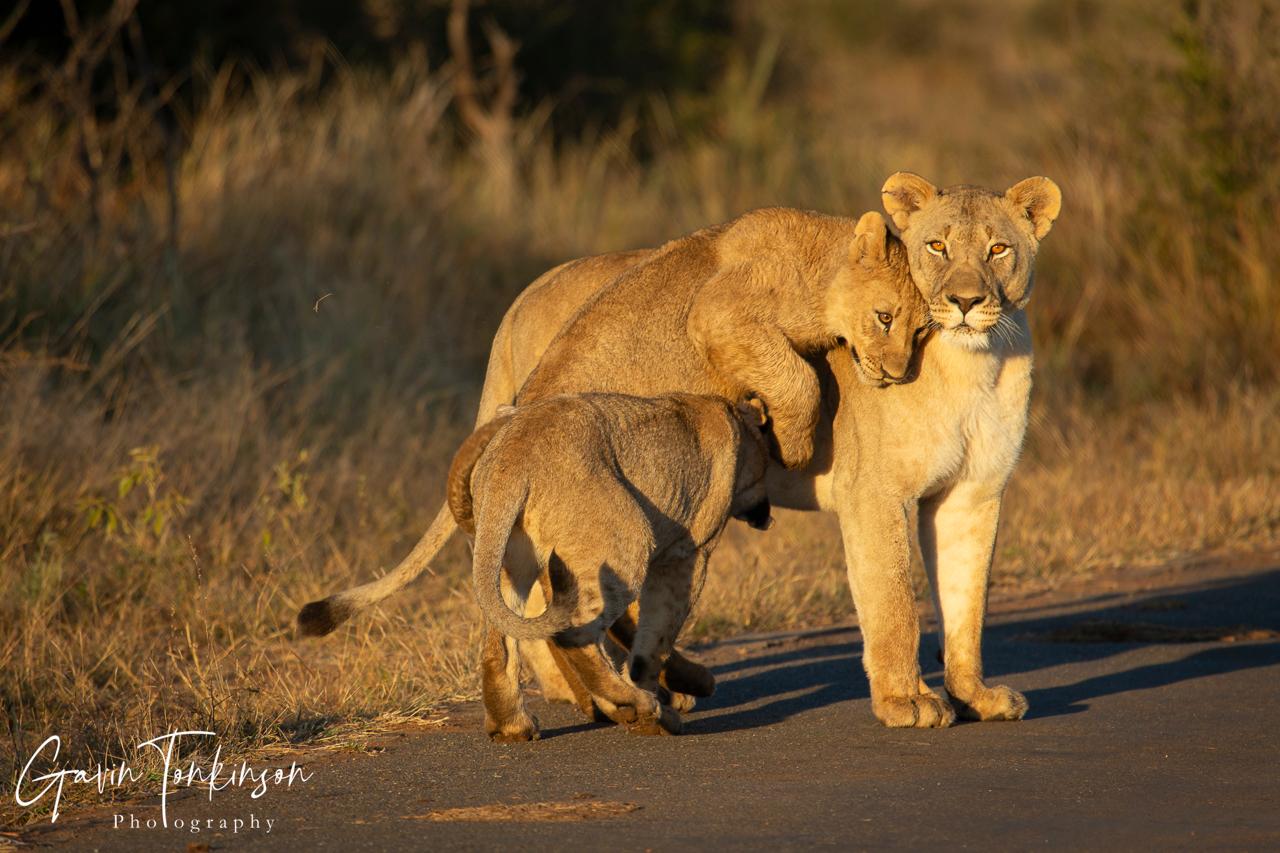
For many, a first safari is defined by the excitement of seeing the Big Five. Elephant, buffalo, lion, leopard and rhino are the animals that draw travellers to the African bush, and Madikwe Game Reserve offers rewarding opportunities to encounter them all.
But for those returning to safari, there is another side to Madikwe worth exploring.
Beyond the familiar sightings lies a fascinating collection of lesser-known species. Some are highly social, others remarkably solitary. Some are perfectly adapted to Madikwe’s semi-arid landscape, while others spend much of their lives hidden from view.
Madikwe’s position on the transition between the Kalahari and South African bushveld supports an extraordinary diversity of wildlife. And for guests who have already experienced the thrill of the Big Five, these more unusual encounters can offer an entirely different perspective on the reserve.
Beyond the Big Five: The Super Seven
Madikwe is home to the traditional Big Five, but its wildlife offering extends further. The addition of the African wild dog and cheetah creates what is often referred to as the Super Seven.
Both species are particularly rewarding to encounter, although their behaviour and hunting strategies could hardly be more different.
African Wild Dog: The Painted Wolf
Few animals capture the attention quite like the African wild dog.
Recognisable by their irregular coats of black, brown, white and ochre, these highly social carnivores live in closely bonded packs. Their distinctive appearance is matched by an equally fascinating social structure, with cooperation playing an essential role in hunting, raising pups and protecting the pack.
Unlike many other predators, wild dogs rely heavily on endurance and coordinated teamwork when hunting. A pack on the move can cover considerable ground, communicating through vocalisations and subtle behavioural cues.
African wild dogs are endangered, and Madikwe is an important stronghold for the species. Encountering a pack travelling through the reserve is a reminder of the conservation work that supports their continued survival.
Cheetah: Built for Speed
Where wild dogs rely on teamwork, cheetahs are built for acceleration.
Their slender bodies, long legs and specialised claws help them reach extraordinary speeds over short distances. Yet a cheetah sighting is not always about a dramatic chase.
Often, these cats can be found resting in the shade or scanning open grasslands for prey. Their keen eyesight makes elevated vantage points and open landscapes particularly useful when hunting.
Madikwe’s open plains provide suitable habitat for cheetahs, making them an exciting species to look out for on game drives.
The More Elusive Residents of Madikwe
For those who enjoy looking beyond the obvious, some of Madikwe’s most interesting wildlife encounters involve species that are rarely seen.
Brown Hyena: The Quiet Scavenger
Unlike the more familiar spotted hyena, the brown hyena is predominantly solitary and often nocturnal. Its shaggy dark-brown coat, pointed ears and pale legs give it a distinctive appearance. Brown hyenas are primarily scavengers, feeding on carcasses, although their diet can also include insects, eggs and other small animals.
Their presence is particularly suited to the semi-arid environments around the Kalahari. They are elusive by nature, making a sighting a memorable addition to any safari.
Aardwolf: A Hyena with a Different Diet
The aardwolf is one of the most unusual members of the hyena family.
Unlike its larger relatives, it is not a predator of large mammals. Instead, it feeds almost exclusively on termites, using its long, sticky tongue to collect them from their mounds.
Aardwolves are generally nocturnal, spending daylight hours in underground dens. Their specialised diet and quiet habits mean they are easily overlooked, even in areas where they occur.
For guests fortunate enough to encounter one, the aardwolf offers a fascinating reminder of the diversity within the hyena family.
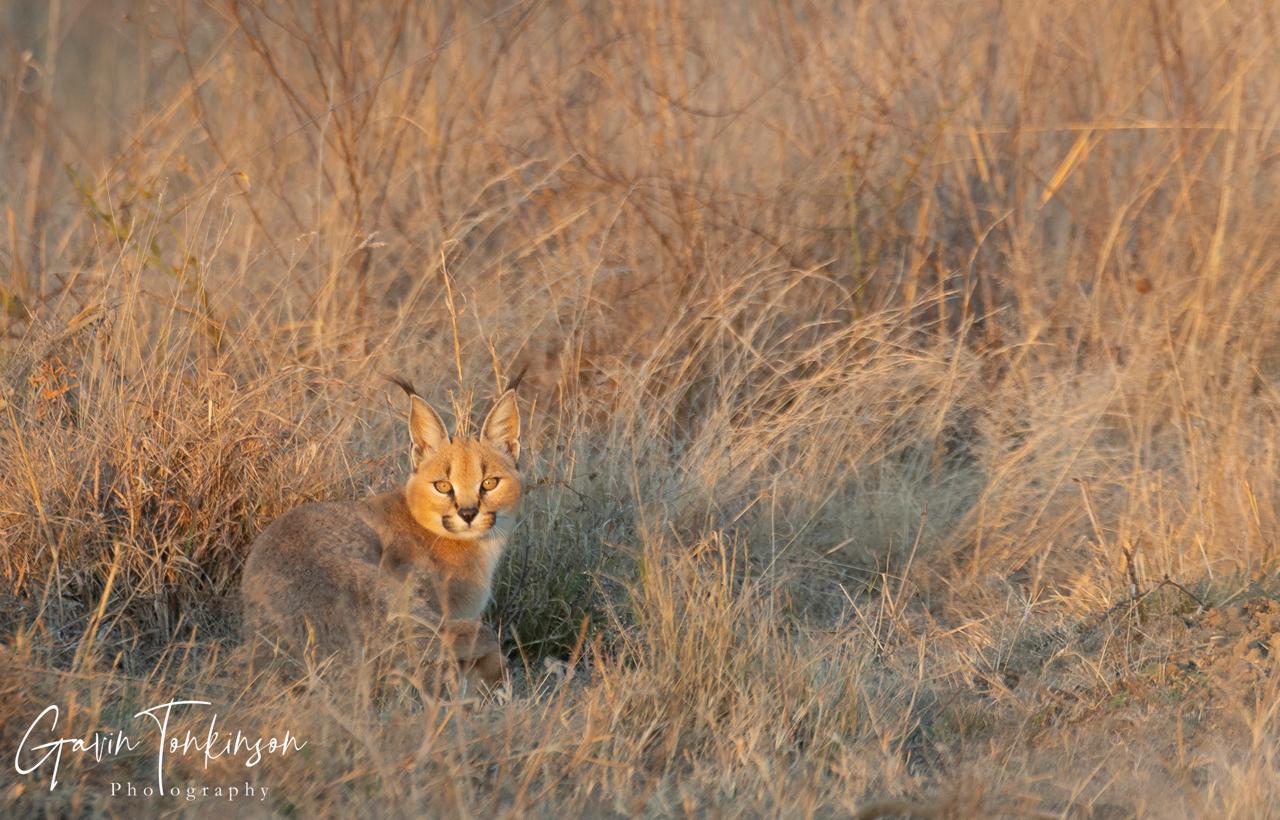
The Elusive Caracal
The caracal is one of Madikwe’s more elusive predators.
Recognisable by its long, black-tufted ears and striking appearance, this agile wild cat is often active under the cover of darkness. While it can be difficult to spot, a sighting offers a memorable glimpse of a quieter side of the reserve’s wildlife. For guests who have already encountered the Big Five, seeing a caracal is a reminder that there is always something new to discover in Madikwe.
Look to the Skies: Madikwe’s Notable Birdlife
Madikwe’s wildlife story extends well beyond its mammals.
The reserve supports an impressive diversity of birdlife, with more than 350 species recorded. For birding enthusiasts, the opportunity to look for less familiar species adds another dimension to a safari.
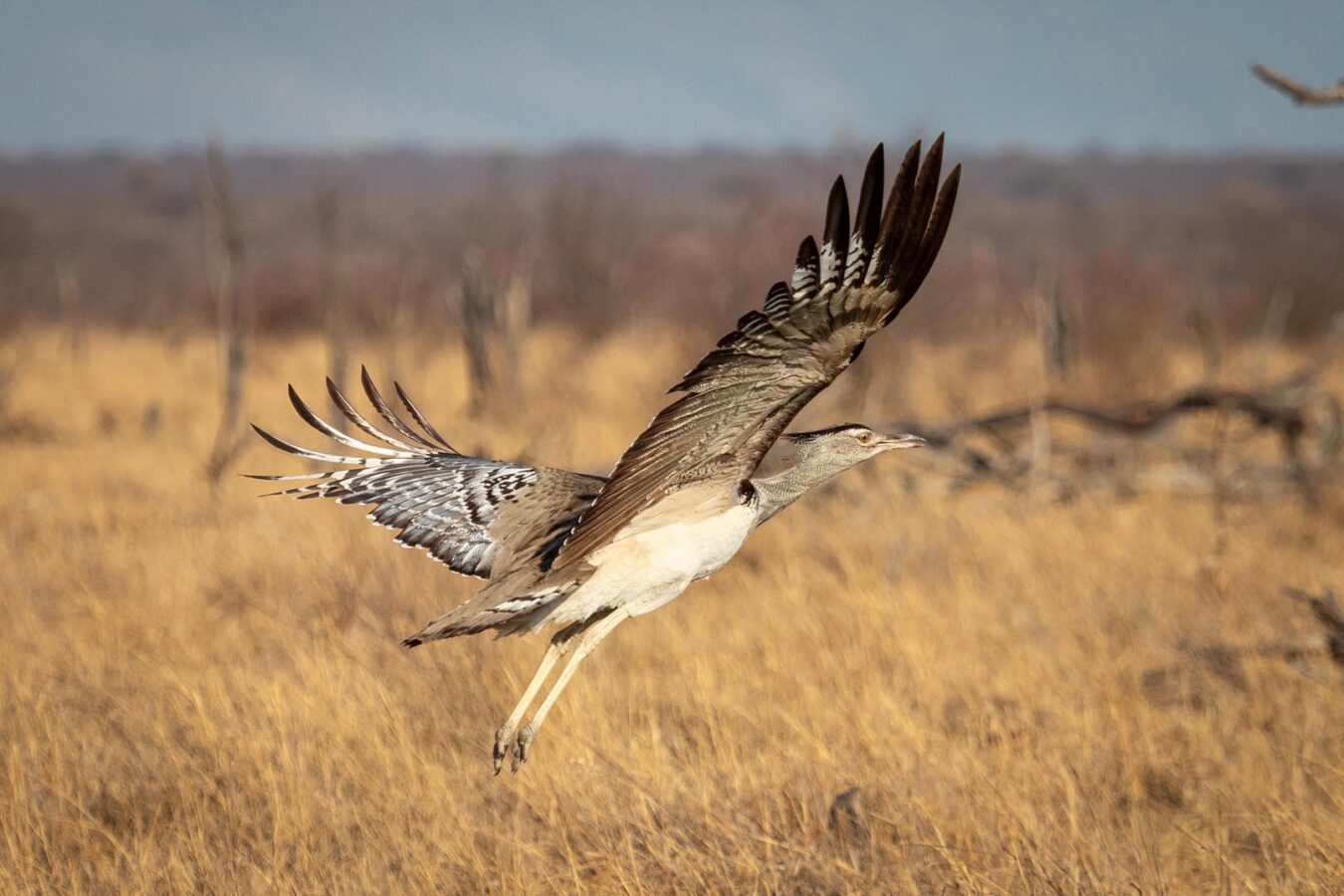
The kori bustard, one of the heaviest flying birds in the world, can often be seen walking through open grasslands. Its size and deliberate movements make it a memorable sight.
Along suitable waterways, the African finfoot is a much more elusive encounter. This shy, specialised swimmer is often difficult to spot, preferring quiet riverine habitats.
Seasonal visitors, including colourful carmine bee-eaters, bring additional interest to the skies and waterways during the warmer months.
For those who enjoy birding, a game drive can become an exercise in patience and observation, with every call, movement and change in the landscape offering a potential clue.
A Different Kind of Safari
At Tuningi Safari Lodge, every game drive offers the opportunity to discover something new.
The Big Five remain an important part of the Madikwe experience, but the reserve’s lesser-known species reveal another side of its remarkable biodiversity. For returning guests, the reward is not simply seeing another animal. It is discovering something they may have overlooked before.
If you are ready to explore Madikwe beyond the familiar sightings, we invite you to experience the reserve with us at Tuningi Safari Lodge.
To enquire about a stay, contact our reservations team at book@tuningi.co.za.
FAQs
What rare animals can you see in Madikwe Game Reserve?
Madikwe is home to several unusual and elusive species, including African wild dogs, cheetahs, brown hyenas, aardwolves, caracals and Cape pangolins. Sightings vary, and some species are particularly difficult to encounter because of their nocturnal or secretive behaviour.
What is the Super Seven in Madikwe?
The Super Seven refers to the traditional Big Five – elephant, buffalo, lion, leopard and rhino – together with the African wild dog and cheetah. These seven species are among the most sought-after wildlife encounters in Madikwe.
Can you see African wild dogs in Madikwe?
Yes. Madikwe is an important stronghold for endangered African wild dogs. They are highly social animals that live in packs, and sightings may involve watching them travel, rest or interact with one another.
Are pangolins found in Madikwe Game Reserve?
Cape pangolins occur in the region, but they are exceptionally elusive and rarely seen. Their nocturnal habits and specialised diet make them particularly challenging to encounter on safari.
What makes Madikwe’s wildlife different from other reserves?
Madikwe’s location between the Kalahari and South African bushveld supports a diverse range of habitats and wildlife. Alongside the Big Five, the reserve is known for species such as African wild dogs, cheetahs and other animals adapted to its semi-arid environment.
Is Madikwe a good destination for birdwatching?
Yes. Madikwe supports an impressive diversity of birdlife, with more than 350 species recorded. Its open grasslands and varied habitats provide opportunities to look for species such as kori bustards, raptors and seasonal migrants.